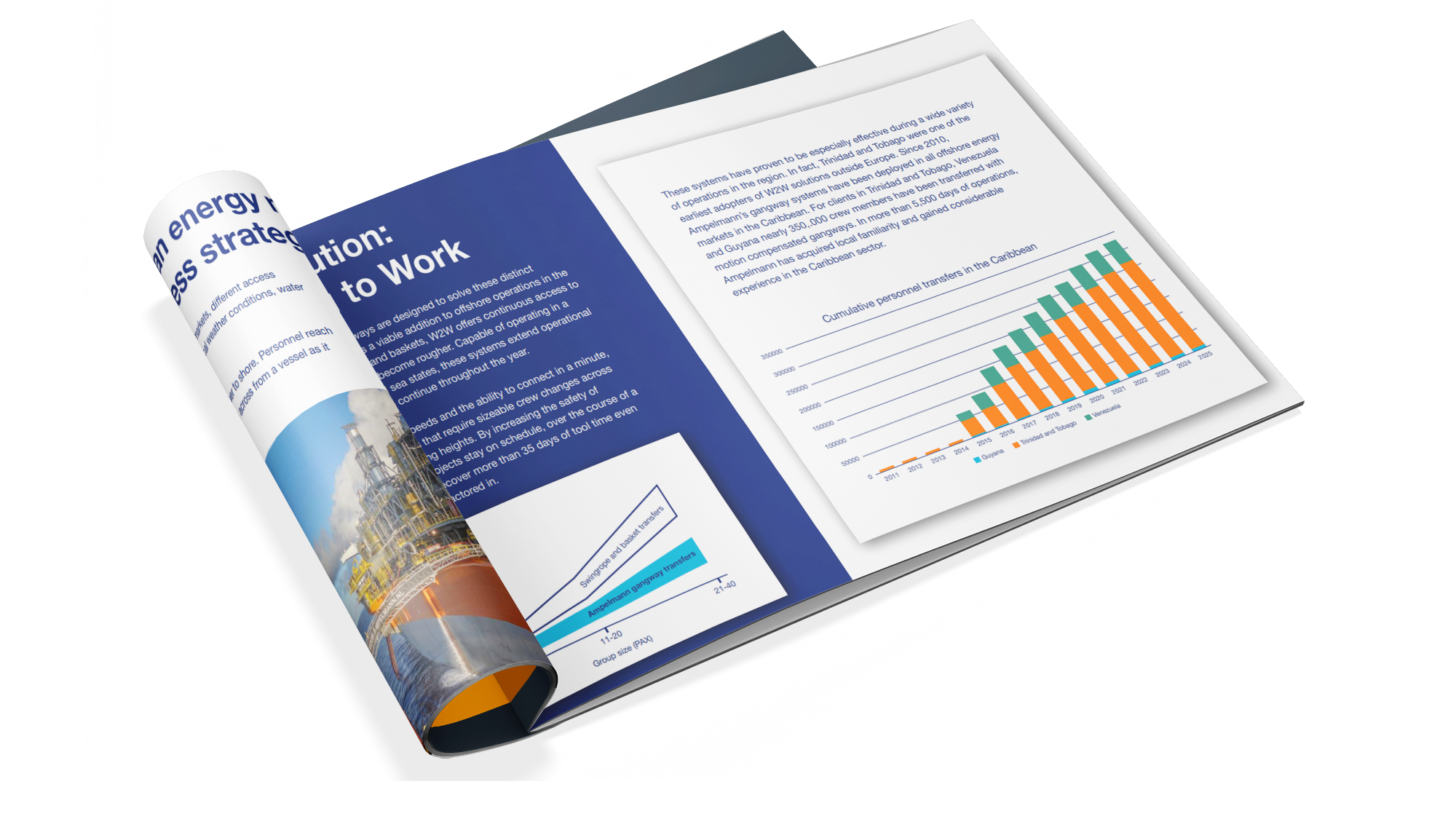
From fixed platforms to FPSOs: Is your offshore access strategy ready for the next phase of growth?
Discover how expanding deepwater developments in Guyana, Suriname, and the Caribbean are changing offshore personnel transfer requirements, and why Walk to Work (W2W) solutions are becoming an essential part of safe, efficient FPSO operations.
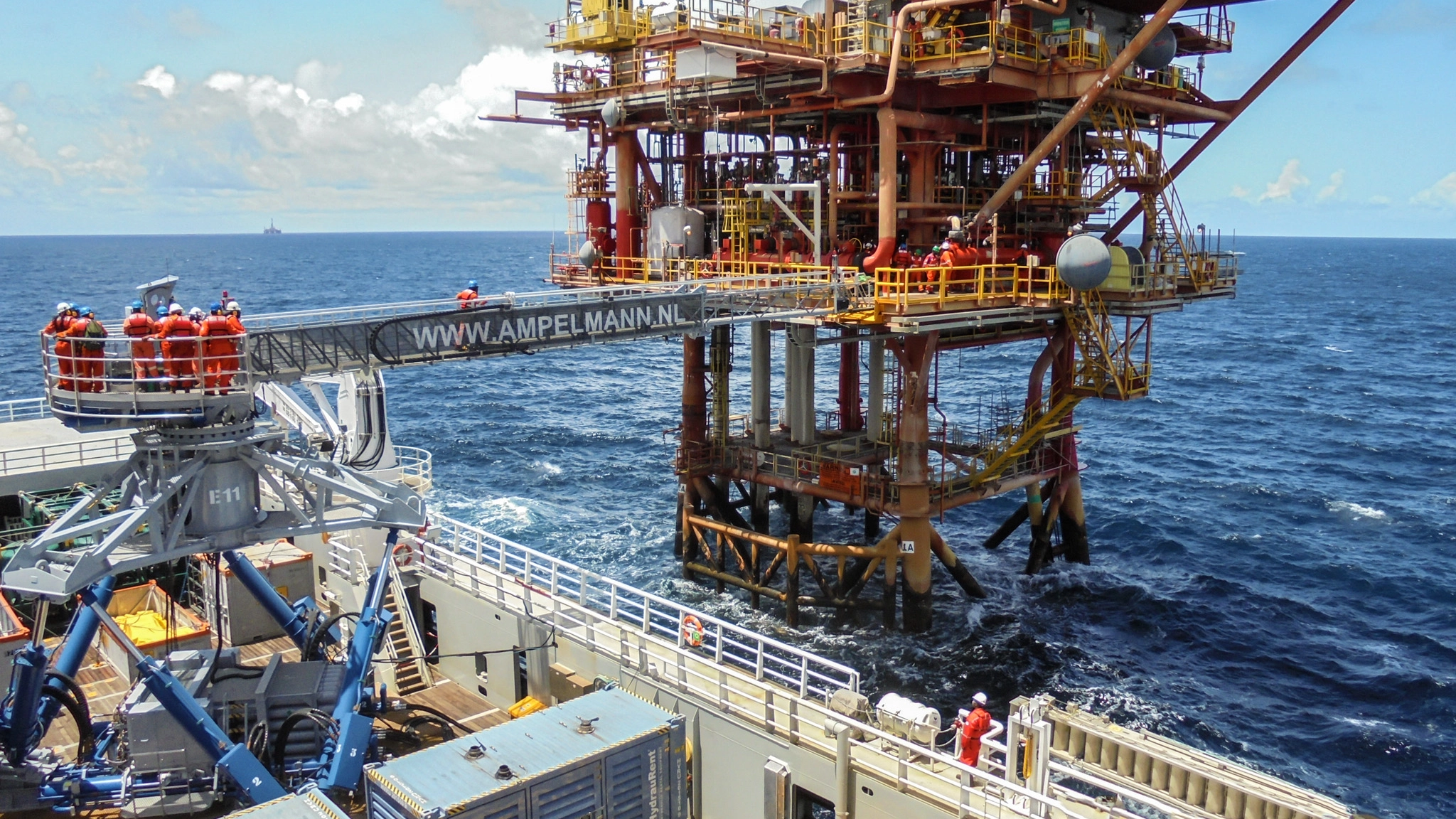
The offshore energy sector across Guyana, Suriname, and the wider Caribbean is entering a period of rapid growth. New deepwater discoveries, increasing FPSO deployment, and expanding offshore infrastructure are creating new demands for safe and reliable personnel access.
Traditional transfer methods such as helicopters, baskets, and swing ropes continue to play a role across the region, but they face limitations related to weather, scalability, safety, and operational costs. As offshore assets move further from shore and production activity accelerates, operators require access solutions that can support both efficiency and workforce safety.
What you'll learn in this whitepaper:
- How offshore energy growth in Guyana, Suriname, and the Caribbean is driving new access requirements
- The operational limitations of helicopters, baskets, and conventional marine transfers
- Real-world lessons from FPSO operations, including successful campaigns offshore Guyana
- How motion-compensated gangways improve safety, uptime, and transfer efficiency
- Real-world insights from FPSO and floating wind operations
Download the whitepaper today!