.png)
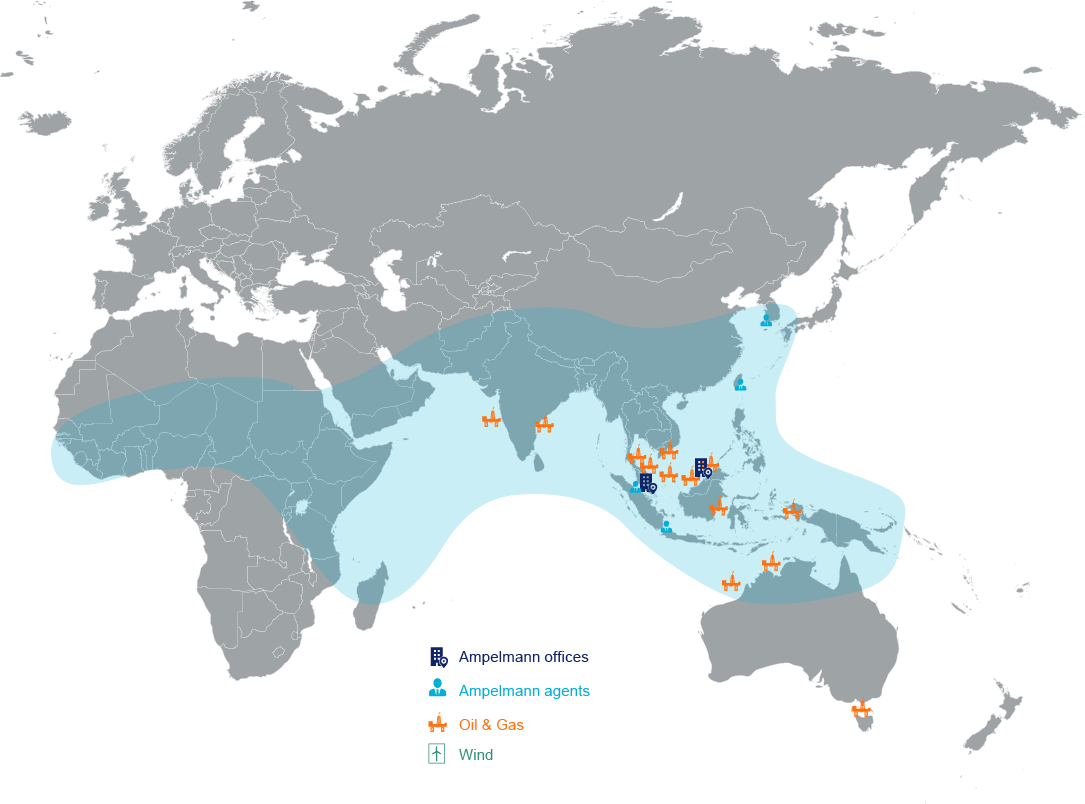


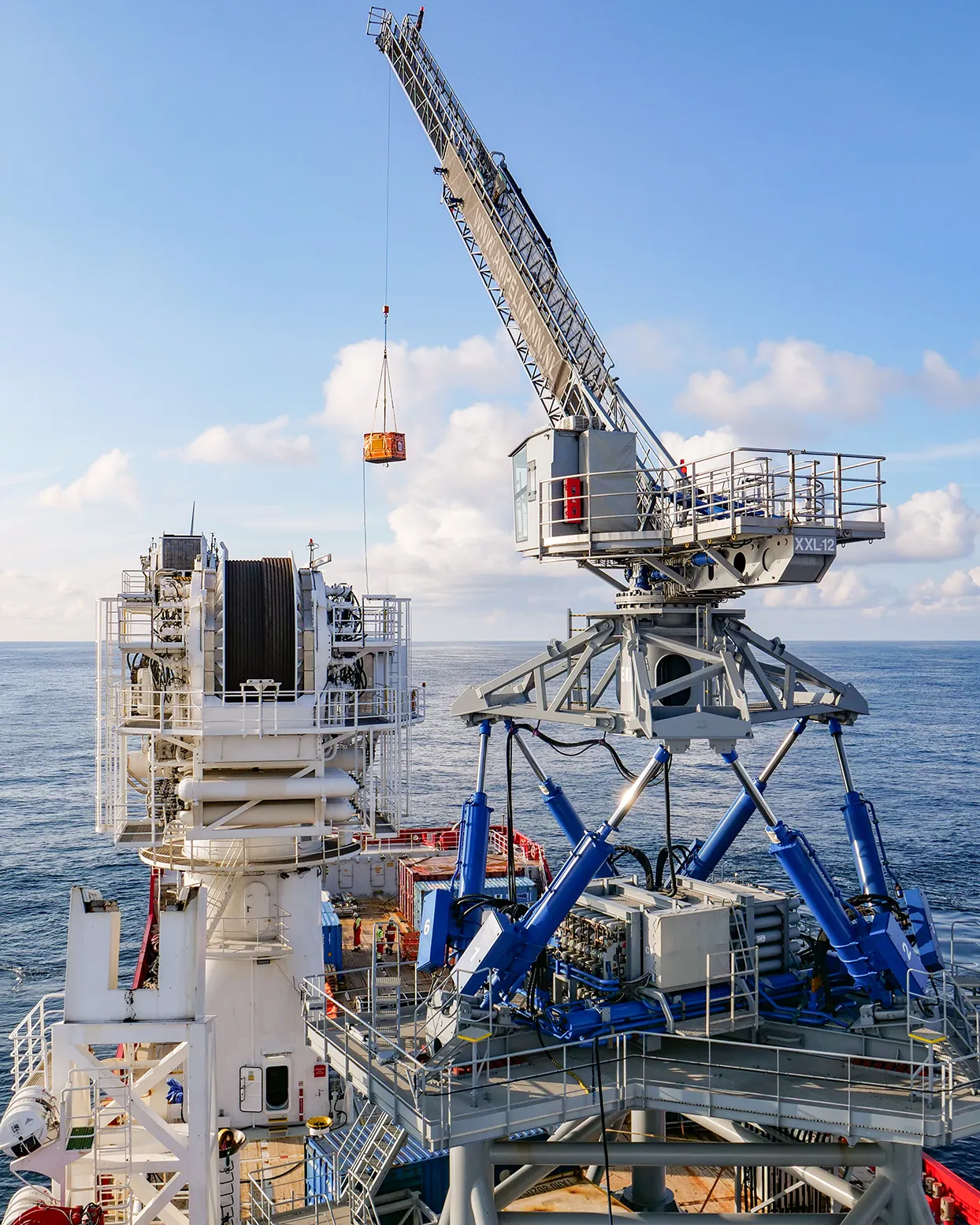
Across the tropical zone, operations are typically planned when seas appear calm. Nevertheless, spikes in wave heights and strong gusts of winds are frequent enough to disrupt or slow down operations. Waiting for weather is not just expensive. As delays build-up, they can spill over into the monsoon season, forcing work to pause until calmer conditions return.
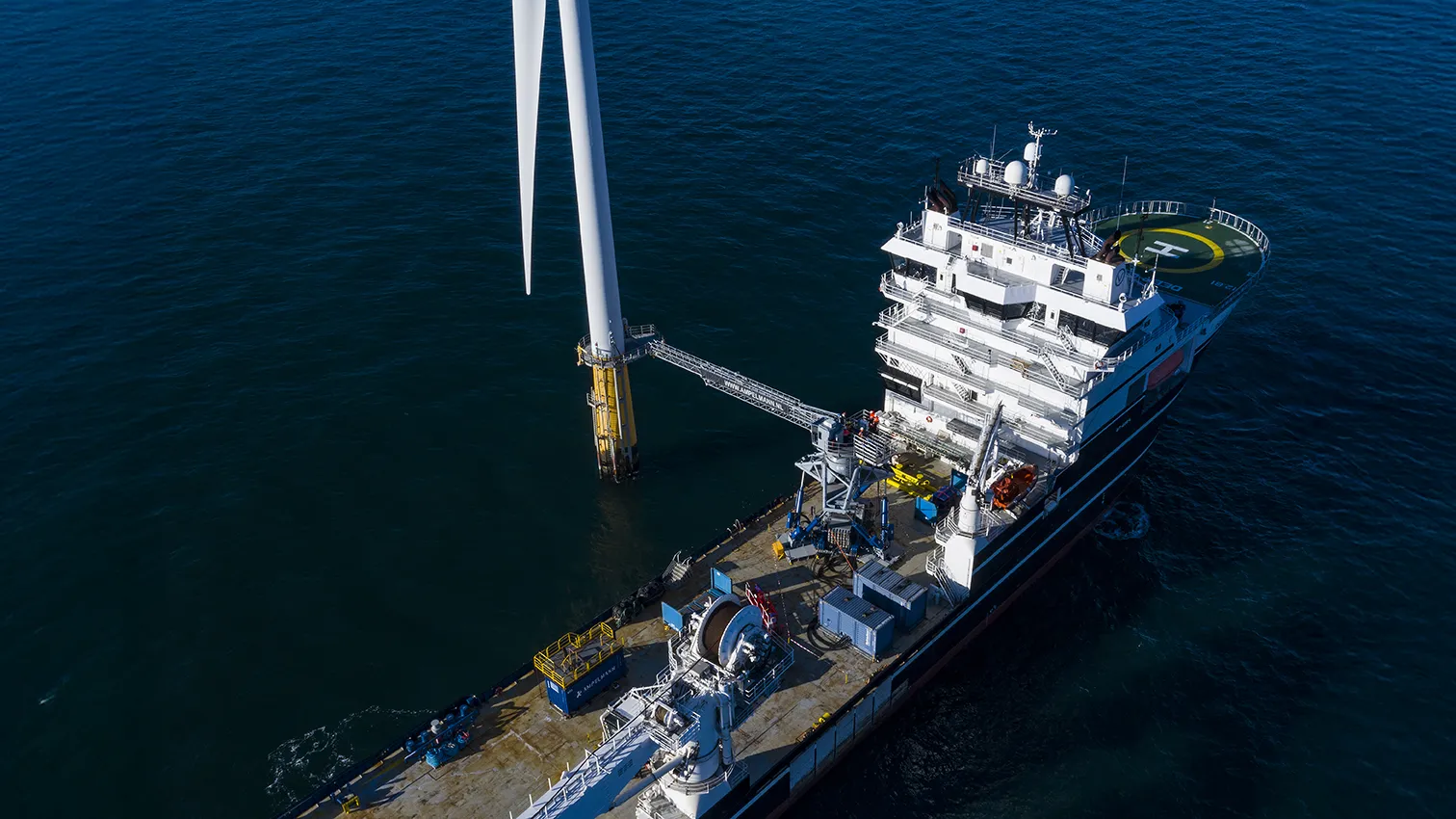
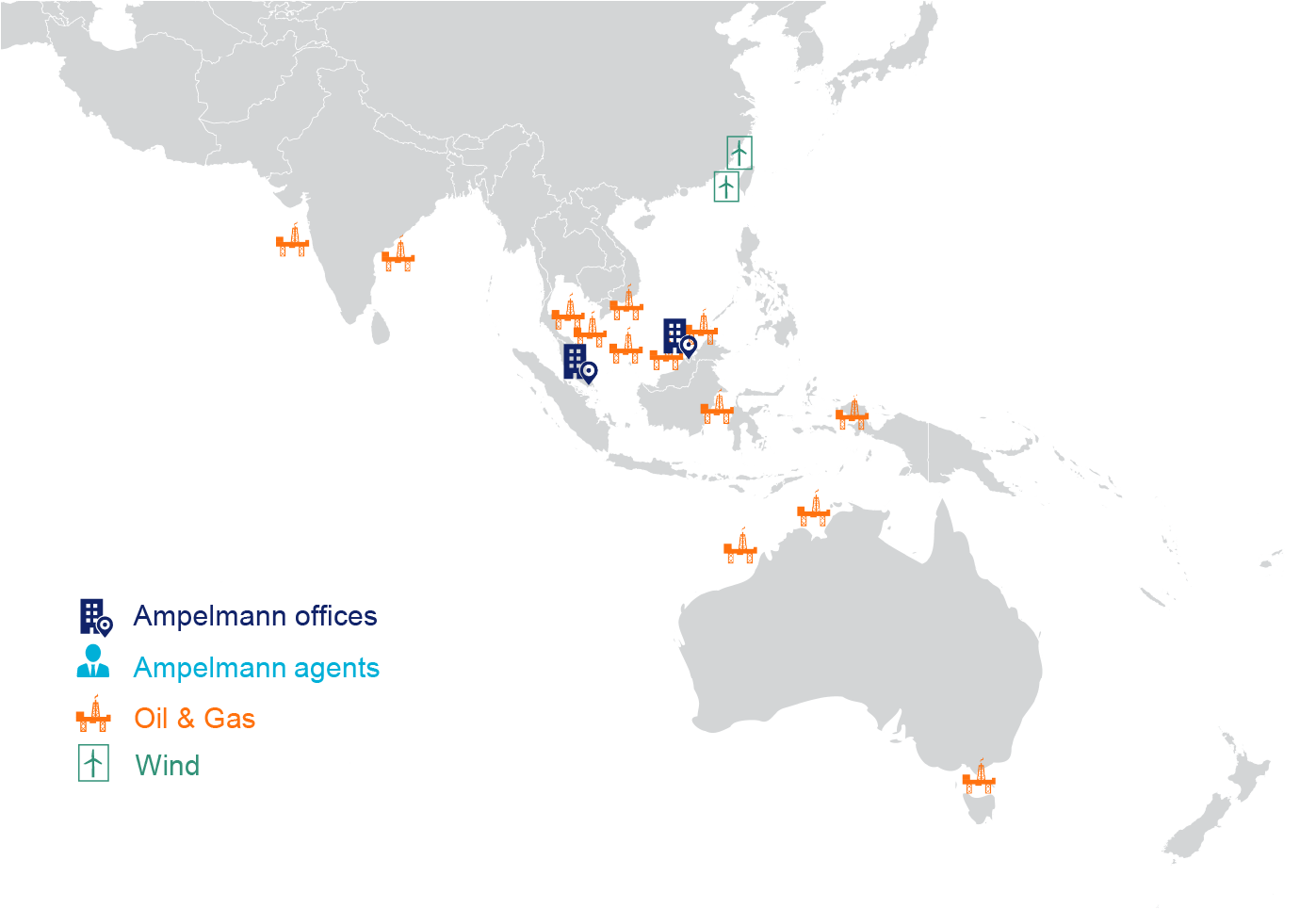
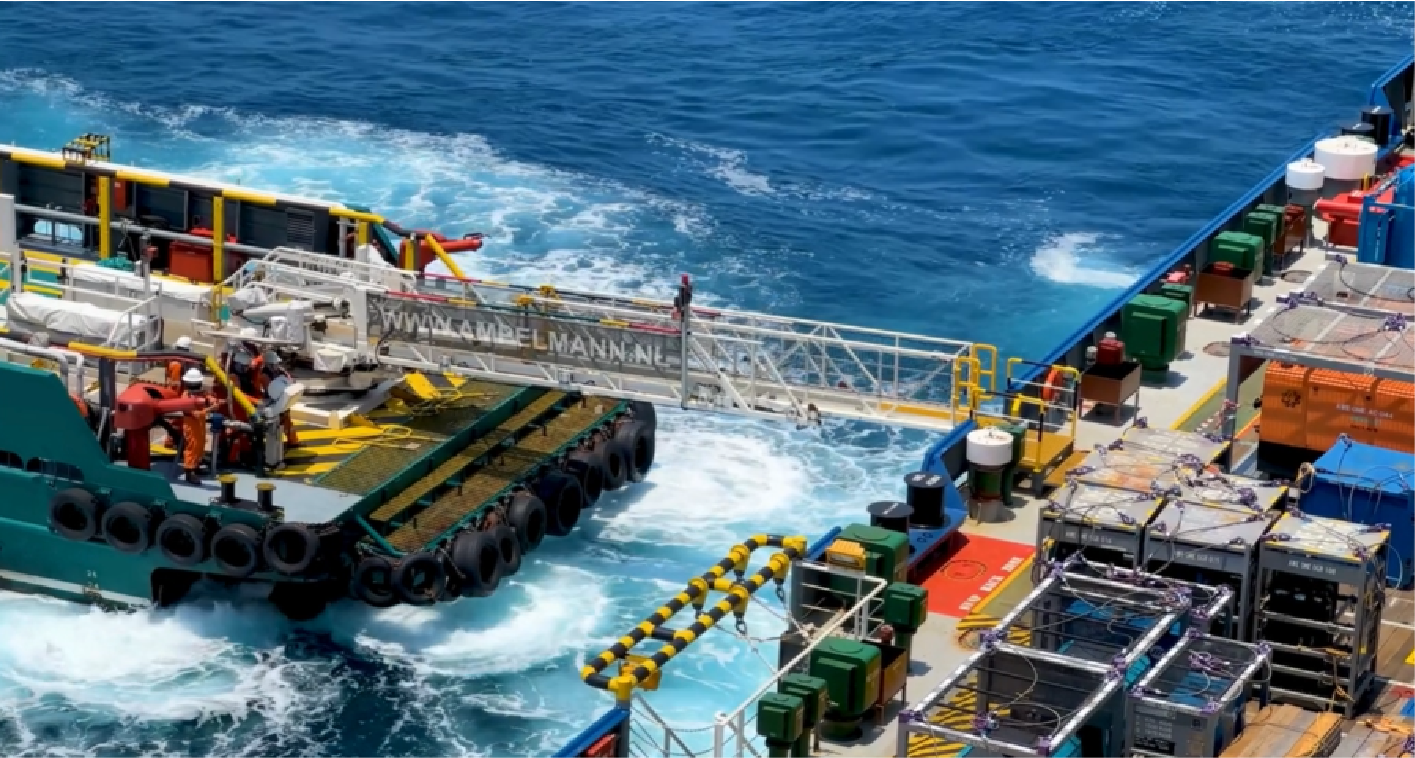
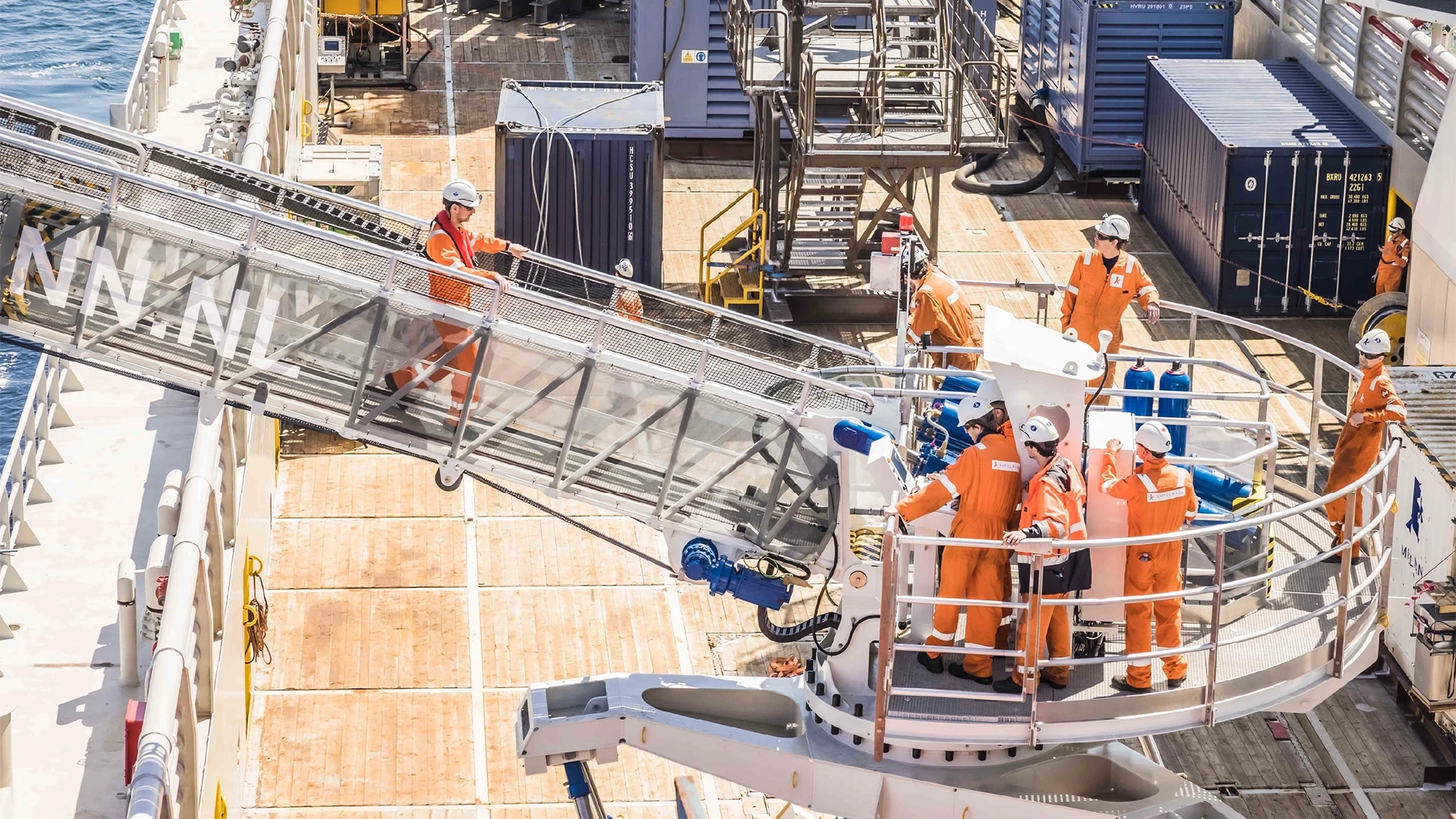
In practice, continuous access brings simple but significant efficiency gains. Ampelmann’s long-standing client Brunei Shell Petroleum (BSP), for example, has used motion compensated gangways for nearly 15 years. Fast, predictable transit times allow multiple crew rotations per day. This has allowed BSP to safely move personnel to, from and in between offshore assets, streamlining their offshore operations.
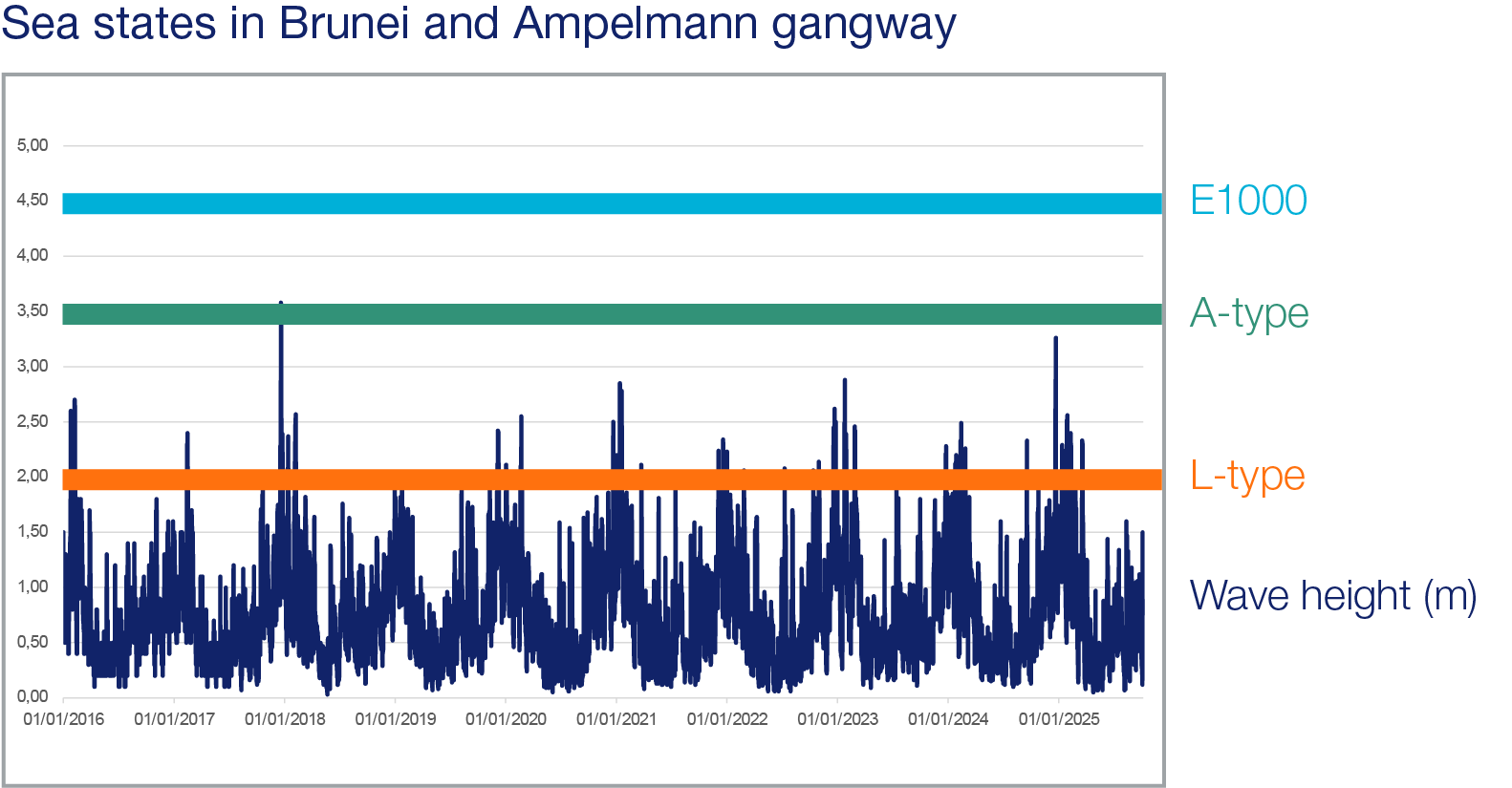
Both the company’s compact electric L-type and innovative A-type see frequent use here. As these systems compensate for sea states between 2 and 3.5m significant wave height (Hs), they are ideal for most conditions across Asia Pacific. By reducing waiting times and enabling personnel and cargo to move quickly, these systems can ensure offshore operations can continue without interruptions.

.webp)