
From calm seas to Monsoon extremes
Across Asia Pacific, crews face a familiar pattern each year: months of calm seas followed by sudden spikes in wave heights, fierce winds, and heavy rainfall.
These shifts make it difficult to plan personnel transfers and keep projects on schedule.Traditional access methods struggle to cope when seas rise. Transfers slow down. Productivity drops. Costs climb.The result?Lost uptime. Delayed maintenance. Crews waiting for weather windows that may never come.Learn how you can overcome these challenges and break the cycle.
These shifts make it difficult to plan personnel transfers and keep projects on schedule.Traditional access methods struggle to cope when seas rise. Transfers slow down. Productivity drops. Costs climb.The result?Lost uptime. Delayed maintenance. Crews waiting for weather windows that may never come.Learn how you can overcome these challenges and break the cycle.
.png)
Weather that breaks plans
Asia Pacific’s offshore environment swings from prolonged calm to sudden spikes in waves and wind, making access unpredictable and schedules fragile.
Asia Pacific’s offshore environment swings from prolonged calm to sudden spikes in waves and wind, making access unpredictable and schedules fragile.
Traditional transfer, modern limits
Ropes, baskets, and helicopters struggle when sea states turn volatile, which can slow rotations, increase risk, and constrain work windows across the region.
Ropes, baskets, and helicopters struggle when sea states turn volatile, which can slow rotations, increase risk, and constrain work windows across the region.
Uptime hidden in plain sight
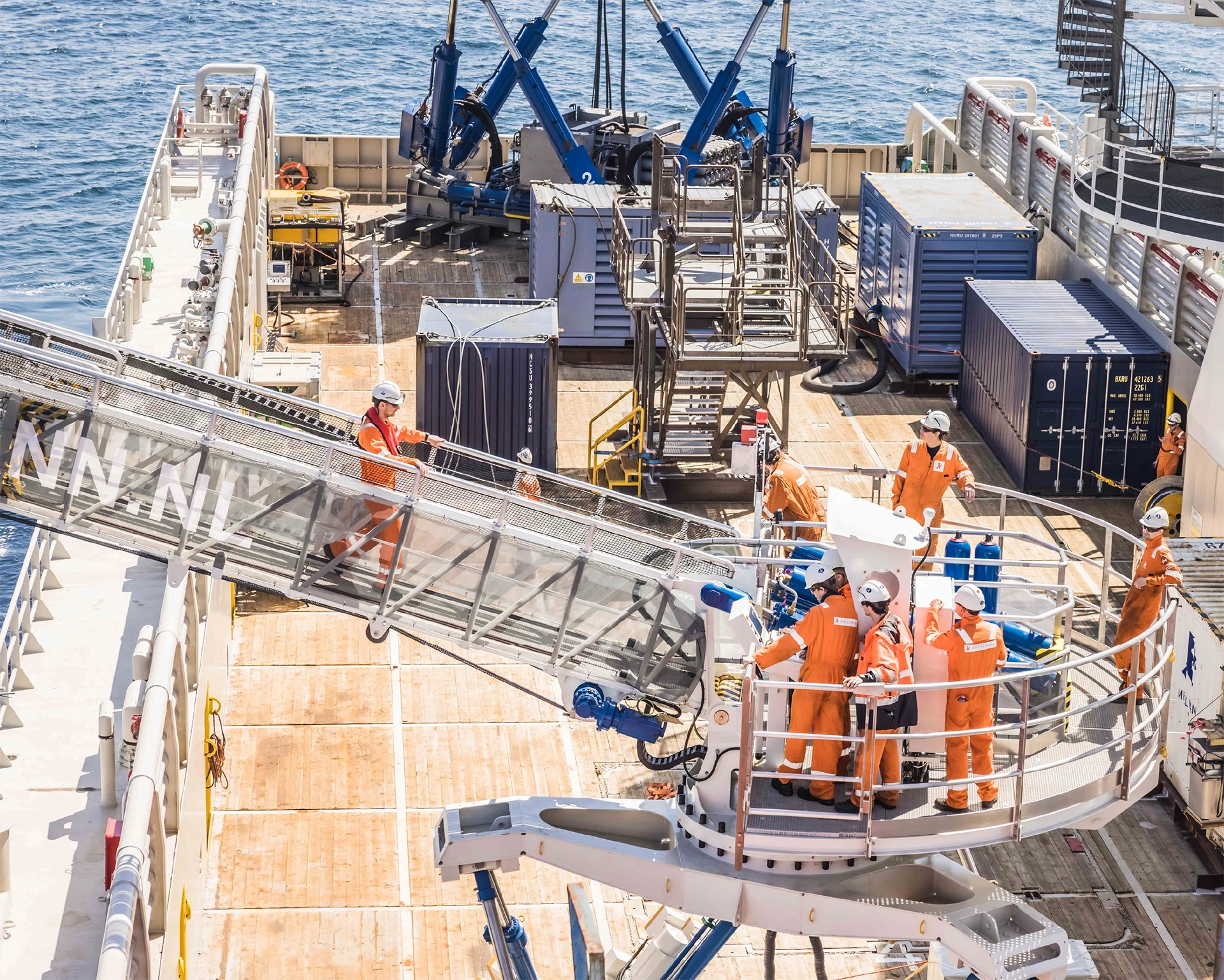
Motion‑compensated Walk‑to‑Work gangways stabilise personnel movement, cut waiting‑on‑weather days, and keep projects moving through variable conditions.
Motion‑compensated Walk‑to‑Work gangways stabilise personnel movement, cut waiting‑on‑weather days, and keep projects moving through variable conditions.
Working through Monsoon
Advanced gangway systems sustain strong workability as monsoon winds and rain arrive, supporting tight timelines and thousands of safe transfers when operations might otherwise pause.
Advanced gangway systems sustain strong workability as monsoon winds and rain arrive, supporting tight timelines and thousands of safe transfers when operations might otherwise pause.
Wind power's new demands
With APAC’s wind market accelerating, reliable, high‑performance access becomes central to installation and maintenance across fast changing sea states.
With APAC’s wind market accelerating, reliable, high‑performance access becomes central to installation and maintenance across fast changing sea states.
Unlocking safer, cost-effective offshore access.
Everything you need to know directly to your inbox.
.png)