
Scheduling resilience offshore: keeping projects on track across the Americas

Walk to Work as a flexible access solution
Offshore projects across the Americas operate under extreme pressure. Tight weather windows, rising costs, limited vessel availability, and expanding energy ambitions leave little room for scheduling errors.
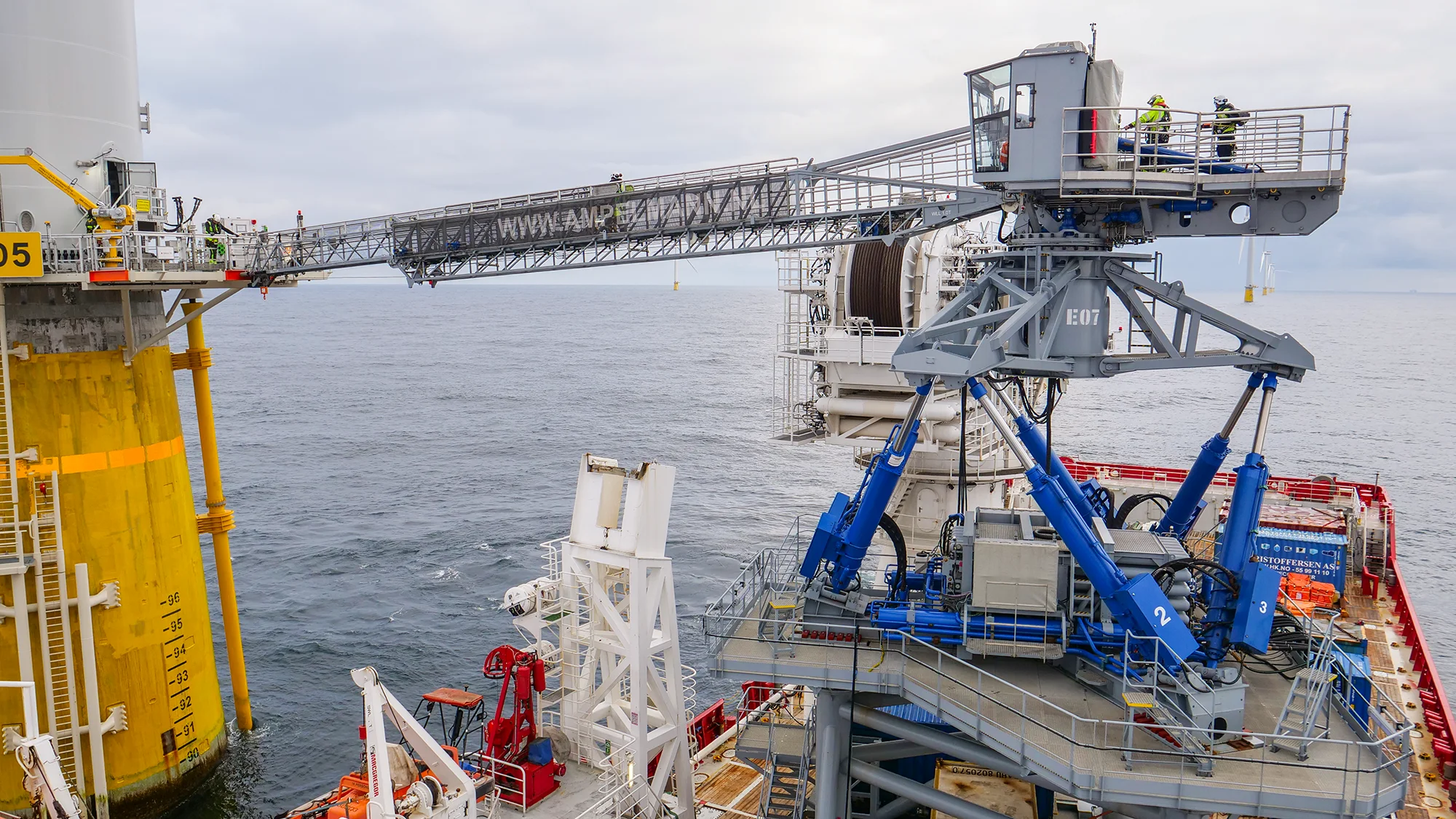
When offshore access is lost, work stops. Production is delayed, costs escalate, and project timelines slip. We explore how motion-compensated Walk to Work (W2W) solutions are improving operational continuity across the Americas, enabling safer transfers, increased workability, and greater scheduling resilience in challenging offshore environments.
When offshore access is lost, work stops. Production is delayed, costs escalate, and project timelines slip. We explore how motion-compensated Walk to Work (W2W) solutions are improving operational continuity across the Americas, enabling safer transfers, increased workability, and greater scheduling resilience in challenging offshore environments.
I
Why offshore operations in the Americas face some of the tightest logistical margins in the industry
Why offshore operations in the Americas face some of the tightest logistical margins in the industry
How weather, vessel availability, and supply chain pressure impact offshore scheduling
The role of motion‑compensated gangways in increasing uptime and reducing dependence on weather windows
Why local operational support is critical for long‑term offshore performance
Real‑world experience from over a decade of W2W operations across North and South America
Download the full whitepaper below: